Amazing Biang Biang Noodles: The Ultimate 7-Step Recipe
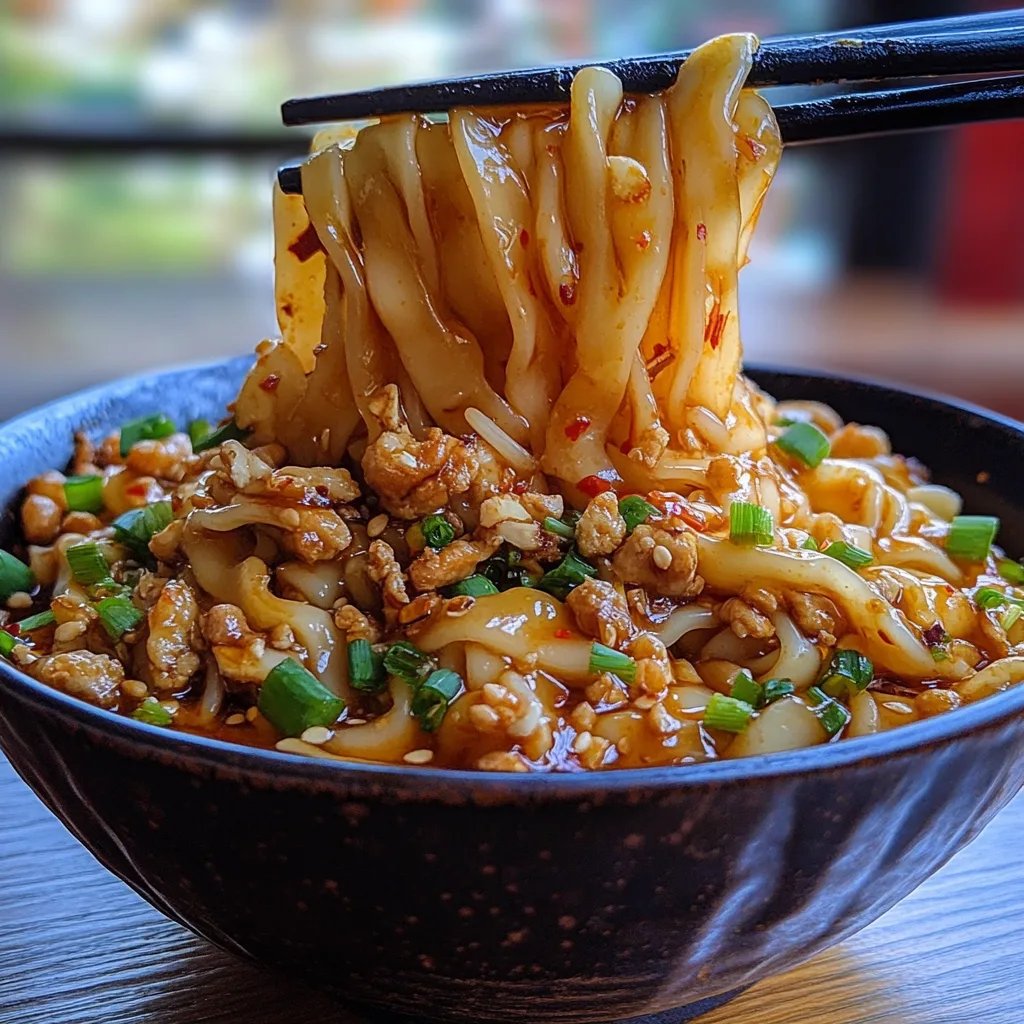
Amazing Biang Biang Noodles is a dish that tantalizes your taste buds with its unique flavors and satisfying texture. Originating from the Shaanxi province of China, these hand-pulled noodles have gained incredible popularity across the globe. The secret lies not just in the noodles themselves but also in the accompanying sauces and toppings that create a delightful culinary experience.
If you have ever had the pleasure of trying these amazing Biang Biang Noodles, you know how addictive they can be. The chewy texture of the noodles, paired with a bold spicy sauce and fresh toppings, creates a meal that is both comforting and exciting. Whether you're planning a special dinner or simply craving a satisfying bowl of noodles, this recipe will guide you through every step to achieve these flavorful delights at home.
With that in mind, let’s explore why this recipe is so extraordinary and how you can make it yourself. You’ll find that making Amazing Biang Biang Noodles is an enriching experience that allows you to immerse yourself in flavors and techniques that elevate your cooking skills. Let’s dive right into this culinary adventure!
Why You’ll Love This Recipe
There are countless reasons to fall in love with Amazing Biang Biang Noodles. Here are some standout features that make this dish a must-try:
- Unique Texture: The hand-pulled noodles provide a chewy texture that is unlike any other pasta.
- Explosive Flavor: The balance of spices, garlic, and vinegar creates a savory punch that will excite your palate.
- Customizable: You can personalize the dish to suit your taste by adjusting the spice levels or adding your favorite toppings.
- Quick to Prepare: Once you master the technique, these noodles come together quickly, making them perfect for weeknight dinners.
- Healthy Ingredients: The recipe incorporates fresh vegetables and protein options, making it a well-rounded meal.
- Impressive Dish: Serving homemade Biang Biang Noodles at your table is sure to wow your guests.
When you combine these incredible factors, it’s easy to see why Amazing Biang Biang Noodles is loved by many and a perfect dish for any occasion!
Preparation and Cooking Time
Preparing Amazing Biang Biang Noodles is an enjoyable experience that won't consume your whole day. Here's a rough timeline for getting it all done:
- Preparation Time: 30 minutes
- Cooking Time: 15-20 minutes
- Total Time: About 50 minutes
This includes the time to prepare ingredients, make the noodles, and cook them to perfection.
Ingredients
- 2 cups all-purpose flour
- ½ teaspoon salt
- ¾ cup warm water
- 2 tablespoons vegetable oil
- 3 cloves garlic, minced
- 2 tablespoons soy sauce
- 1 tablespoon rice vinegar
- 1-2 tablespoons chili oil (adjust for spice level)
- 1 green onion, chopped (for garnish)
- ½ cup bean sprouts (optional)
- 1 small cucumber, julienned (for freshness)
- Cooked protein (optional, like chicken, beef, or tofu)
Step-by-Step Instructions
Creating Amazing Biang Biang Noodles involves several key steps. Here's how to prepare this fantastic dish from scratch:
- Make the Dough: In a large bowl, combine the all-purpose flour and salt. Gradually add warm water and mix until a dough forms. Knead for about 5 minutes until smooth.
- Rest the Dough: Cover the dough with a damp cloth and let it rest for at least 30 minutes. This allows the gluten to develop for better texture.
- Prepare Sauce: In a small bowl, mix the minced garlic, soy sauce, rice vinegar, and chili oil. Adjust the chili oil according to your spice preference.
- Roll Out the Dough: After resting, divide the dough into four equal portions. Roll one portion into a rectangle, about ¼ inch thick, on a floured surface.
- Stretch the Noodles: Cut the rectangle into strips about 1 inch wide. Gently stretch each strip into long noodles, about 2-3 feet, making sure they are evenly thick.
- Cook the Noodles: In boiling water, cook the stretched noodles for about 3-5 minutes or until they float to the surface. Drain and rinse under cold water to prevent sticking.
- Combine Everything: In a serving bowl, combine the cooked noodles with the prepared sauce. Toss gently to ensure an even coating. Garnish with green onion, bean sprouts, and cucumber as desired.
How to Serve
Serving Amazing Biang Biang Noodles is an art in itself! Here are some tips to make your dish unforgettable:
- Presentation: Serve the noodles in a large bowl to showcase their beauty. You can pile them high and let the colorful toppings shine.
- Accompaniments: Pair with additional chili oil on the side, or even a sprinkle of sesame seeds for added texture and flavor.
- Garnishing: Use fresh herbs, like cilantro or mint, to elevate the presentation and add freshness to the dish.
- Serving Style: Provide chopsticks or forks for your guests to make it interactive. Allow them to mix their noodles and toppings to create their perfect bowl!
- Beverage Pairing: Consider serving with a light beer or a refreshing tea to cleanse the palate between bites.
By paying attention to these details, you can create a memorable dining experience that showcases your Amazing Biang Biang Noodles beautifully!
Additional Tips
- Experiment with Spice: If you enjoy a kick, try adding more chili oil or even fresh chilies. Alternatively, for a milder dish, reduce or omit the chili oil.
- Fresh Ingredients: Always use fresh vegetables and toppings. They enhance the flavors and add a vibrant look to your dish.
- Noodle Consistency: Be mindful of the dough's consistency. It should be stretchy but not too sticky. If necessary, adjust the water or flour content slightly.
- Use the Right Oil: For best flavor, use a high-quality vegetable or sesame oil in your sauce.
- Serving Temperature: Biang Biang Noodles are best served hot, so prepare the sauce and toppings ahead, but add them to the noodles just before serving.
Recipe Variation
Feel free to personalize your Amazing Biang Biang Noodles! Here are some variations to consider:
- Vegetarian Version: Skip any meat and load up on colorful vegetables such as bell peppers, carrots, and zucchini.
- Spicy Peanut Sauce: Swap the traditional sauce for a creamy peanut sauce for a different flavor twist.
- Korean-Style Noodles: Incorporate Korean gochujang in your sauce for a sweet and spicy twist.
- Cold Noodle Salad: Serve the noodles cold topped with a light sesame dressing instead of the hot sauce for a refreshing summer dish.
Freezing and Storage
- Storage: Keep leftover Biang Biang Noodles in an airtight container in the refrigerator for up to 2-3 days.
- Freezing: To freeze, store the uncooked noodles in a zip-top bag. They can be cooked straight from frozen, adding a couple of extra minutes to the boiling time.
- Thawing: If you have cooked noodles, you can thaw them in the refrigerator overnight before reheating.
Special Equipment
While making Amazing Biang Biang Noodles, certain equipment makes the process smoother:
- Rolling Pin: Essential for rolling out the dough evenly.
- Sharp Knife or Dough Cutter: To slice the dough into strips easily.
- Large Pot: For boiling the noodles—ensure it’s big enough to prevent sticking.
- Mixing Bowls: Useful for preparing dough and sauces.
- Serving Bowl: A large bowl to present your beautiful Biang Biang Noodles and toppings.
Frequently Asked Questions
How thick should I roll the dough?
The dough should be rolled to about ¼ inch thick. This thickness allows for the perfect chewiness after cooking.
What type of flour is best?
All-purpose flour works wonderfully, but you can also try using bread flour for a chewier texture.
Can I make the noodles ahead of time?
Yes, you can prepare the dough and let it rest for a few hours or even make the noodles a day in advance. Store them covered in the refrigerator.
Is it ok to use store-bought noodles?
While homemade noodles are ideal for the best texture, you can substitute with store-bought wide noodles if pressed for time. Just adjust the cooking time as needed.
What is the best way to serve leftovers?
Reheat the noodles in boiling water for a minute and then toss them with some extra sauce to enhance the flavor.
Conclusion
Amazing Biang Biang Noodles are not just a dish; they are an experience that brings people together. With its delightful chewiness, bold flavors, and customizable nature, this dish has earned its place in the hearts of many culinary enthusiasts. By following the steps provided, you can recreate this extraordinary meal in your own kitchen. Whether for a family gathering or a cozy lunch at home, Biang Biang Noodles are bound to impress.