Biang Biang Noodles: The Ultimate Amazing Recipe
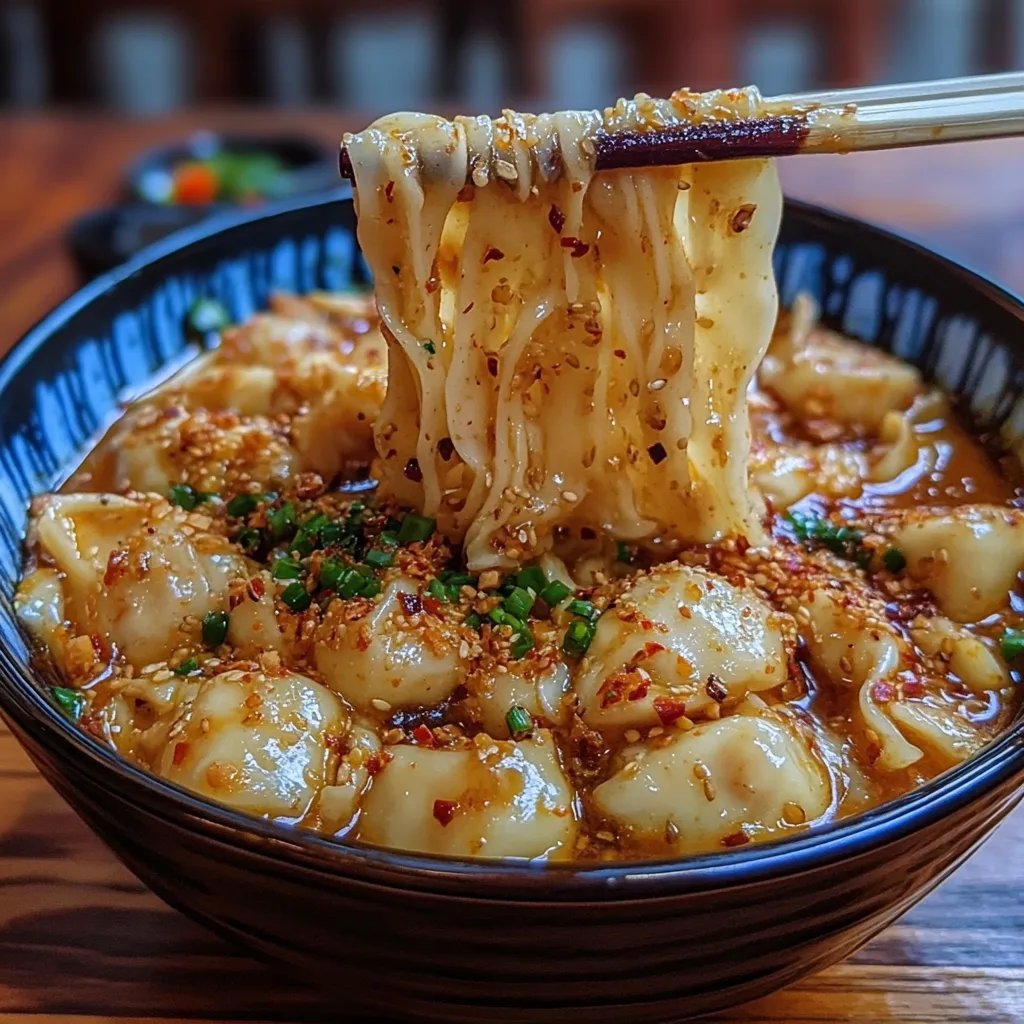
Biang Biang Noodles are an incredible dish that hails from the Shaanxi province of China. This noodle variety is known for its unique, chewy texture and rich flavors. The wide, hand-pulled noodles can elevate any meal and create a memorable dining experience. With the right ingredients and simple steps, you can create these delightful noodles at home.
Whether you’ve tried Biang Biang Noodles at a restaurant or are new to this dish, you'll be amazed by their authentic taste and heartwarming qualities. In this article, we’ll dive into what makes Biang Biang Noodles so popular and wonderful, how to prepare them, and tips for serving.
From the moment you take your first bite of these fresh noodles, you'll appreciate the warm, umami flavors. They pair beautifully with a variety of sauces, meats, or vegetables, making them a versatile meal option. So, if you’re ready to find out why Biang Biang Noodles are the ultimate comfort food, let’s jump right in.
Why You'll Love This Recipe
Biang Biang Noodles are not only delicious but also offer a unique cooking experience. Here are some reasons why you’ll fall in love with this recipe:
- Unique Texture: The hand-pulled noodles have a delightful chewiness that sets them apart from other varieties.
- Flavorful Sauces: Pair them with spicy or savory sauces to elevate their taste.
- Customization: You can easily adjust the ingredients to suit your preferences, whether vegetarian or meat lover.
- Cultural Experience: Cooking and enjoying Biang Biang Noodles provides a taste of rich Chinese culture.
- Quick Preparation: Once you master the hand-pulling technique, you’ll discover how fast and easy they are to prepare.
- Satisfying Meal: The combination of noodles, sauce, and toppings creates a filling dish that satisfies the appetite.
These elements combine to make Biang Biang Noodles a favorite in many households. The mixing of flavors and textures provides a culinary adventure with every bite.
Preparation and Cooking Time
Preparing Biang Biang Noodles is not very time-consuming. Here’s a breakdown of the time required to create this amazing dish:
- Preparation Time: 30 minutes
- Cooking Time: 15-20 minutes
- Resting Time (for dough): 30 minutes
Total time for making Biang Biang Noodles is about 1 hour and 20 minutes. The resting time is essential for achieving the best consistency in your noodles.
Ingredients
- 2 cups all-purpose flour
- ¾ cup water
- 1 teaspoon salt
- 2 tablespoons vegetable oil
- 2-3 cloves garlic, minced
- 2-4 tablespoons chili oil (to taste)
- 1 tablespoon soy sauce
- 1 tablespoon black vinegar
- Green onions (for garnish)
- Sesame seeds (optional, for garnish)
Step-by-Step Instructions
Creating Biang Biang Noodles involves a few straightforward steps to ensure they turn out perfect every time:
- Prepare the Dough: In a bowl, mix all-purpose flour and salt. Gradually add water, mixing until a dough forms.
- Knead the Dough: On a floured surface, knead the dough for about 10 minutes until it becomes smooth.
- Rest the Dough: Cover the dough with a damp cloth and let it rest for 30 minutes. This allows the gluten to relax, making it easier to shape the noodles later.
- Divide the Dough: After resting, divide the dough into 4-6 equal portions. Roll each piece into a long, thin log.
- Flatten the Noodles: Press each log down flat with your palm, making it about 1 inch wide.
- Hand-Pulled Technique: Gently stretch and pull the dough using your hands until you achieve a long, flat noodle shape. Aim for a width of about 0.5 inches.
- Boil the Noodles: Bring a pot of salted water to a boil. Carefully add the pulled noodles and cook for about 2-4 minutes, or until they float to the surface.
- Prepare the Sauce: In a bowl, mix together the chili oil, soy sauce, black vinegar, and minced garlic.
- Combine: Drain the noodles and toss them with the sauce until well coated.
- Serve: Transfer the noodles to a serving dish and garnish with chopped green onions and sesame seeds if desired.
These steps will help guide you through creating Biang Biang Noodles that impress with both taste and authenticity.
How to Serve
Serving Biang Biang Noodles can be as simple or as elaborate as you want. Here are some tips for a successful presentation:
- Presentation Style: Use a deep bowl to showcase the noodles elegantly. This adds a touch of sophistication to your meal.
- Toppings: Enhance the noodles’ flavor by adding sautéed vegetables, cooked meats, or a fried egg on top.
- Chili Sauce on the Side: Offer extra chili oil or hot sauce for those who desire a little more heat.
- Fresh Herbs: Consider garnishing each serving with fresh herbs like cilantro for added freshness.
- Pairing: Biang Biang Noodles go exceptionally well with a side of pickled vegetables or a light cold salad.
By thoughtfully considering how you serve Biang Biang Noodles, you can create a delightful dining experience that everyone will enjoy.
Additional Tips
- Use High-Quality Ingredients: Opt for fresh all-purpose flour and a good quality chili oil. This will enhance the overall flavor of your Biang Biang Noodles significantly.
- Master the Hand-Pulling Technique: Take your time while hand-pulling the noodles. Practicing this technique leads to more consistent texture and shape.
- Warm Water for Dough: Consider using warm water when mixing the dough. It can help create a more pliable and smooth noodle.
Recipe Variation
Don't be afraid to get creative! Here are some delightful variations of Biang Biang Noodles you can try:
- Vegetable-Loaded Boil: After boiling the noodles, toss in quick-cooked seasonal vegetables like bok choy or bell peppers for added nutrition.
- Meat Lovers Delight: Incorporate diced grilled chicken or pork into the dish for a protein boost. Thinly sliced beef can also be marinated and included.
- Spicy Peanut Sauce: Replace the chili oil with a spicy peanut sauce for a different flavor profile. This adds richness and a nutty taste to the noodles.
- Vegan Variation: Substitute garlic and chili oil with a mixture of sesame oil and soy sauce. You can also add tofu for protein.
Freezing and Storage
- Storage: Store leftover Biang Biang Noodles in an airtight container in the fridge. They are best eaten within 2-3 days for optimal flavor.
- Freezing: You can freeze the hand-pulled noodles before cooking. Just make sure to spread them out individually so they do not clump together. They can last up to 3 months in the freezer. When you're ready to use them, just boil straight from the freezer.
Special Equipment
Here are some helpful tools that will make the preparation of Biang Biang Noodles easier:
- Rolling Pin: Essential for flattening the dough evenly.
- Large Pot: A spacious pot for boiling the noodles to prevent them from sticking together.
- Work Surface: A clean, flour-dusted countertop or cutting board for kneading and shaping the dough.
- Measuring Cups and Spoons: For accurate ingredient measurement, ensuring the right balance of flavors.
Frequently Asked Questions
Can I make Biang Biang Noodles gluten-free?
Yes, substitute all-purpose flour with a gluten-free flour mix. You may need to adjust the water quantity slightly for consistency.
What can I do if the noodles are too sticky?
If your dough feels sticky, dust it with a little extra flour during kneading or while hand-pulling. Be careful not to overdo it, as this can affect the texture.
How do I store leftover Biang Biang Noodles?
Ensure you keep them in an airtight container in the refrigerator. For longer storage, freeze them as previously mentioned.
Can I make the dough ahead of time?
Absolutely! You can prepare the dough and let it rest in the fridge for up to 24 hours before using it.
What other sauces can I use?
In addition to the chili oil, you can experiment with sesame oil, hoisin sauce, or even a light broth to suit your taste.
Conclusion
Creating Biang Biang Noodles is not just about making a meal; it's about experiencing a vibrant culinary tradition. Their unique texture and adaptability allow for endless possibilities in flavors and pairings, making them a delightful addition to your kitchen repertoire. Whether enjoyed as a quick weeknight dinner or a special dish for guests, Biang Biang Noodles will surely impress. Embrace the process, experiment with your favorite ingredients, and get ready to savor every bite of this delicious noodle dish.