Homemade Ramen Noodles: The Ultimate Amazing Recipe
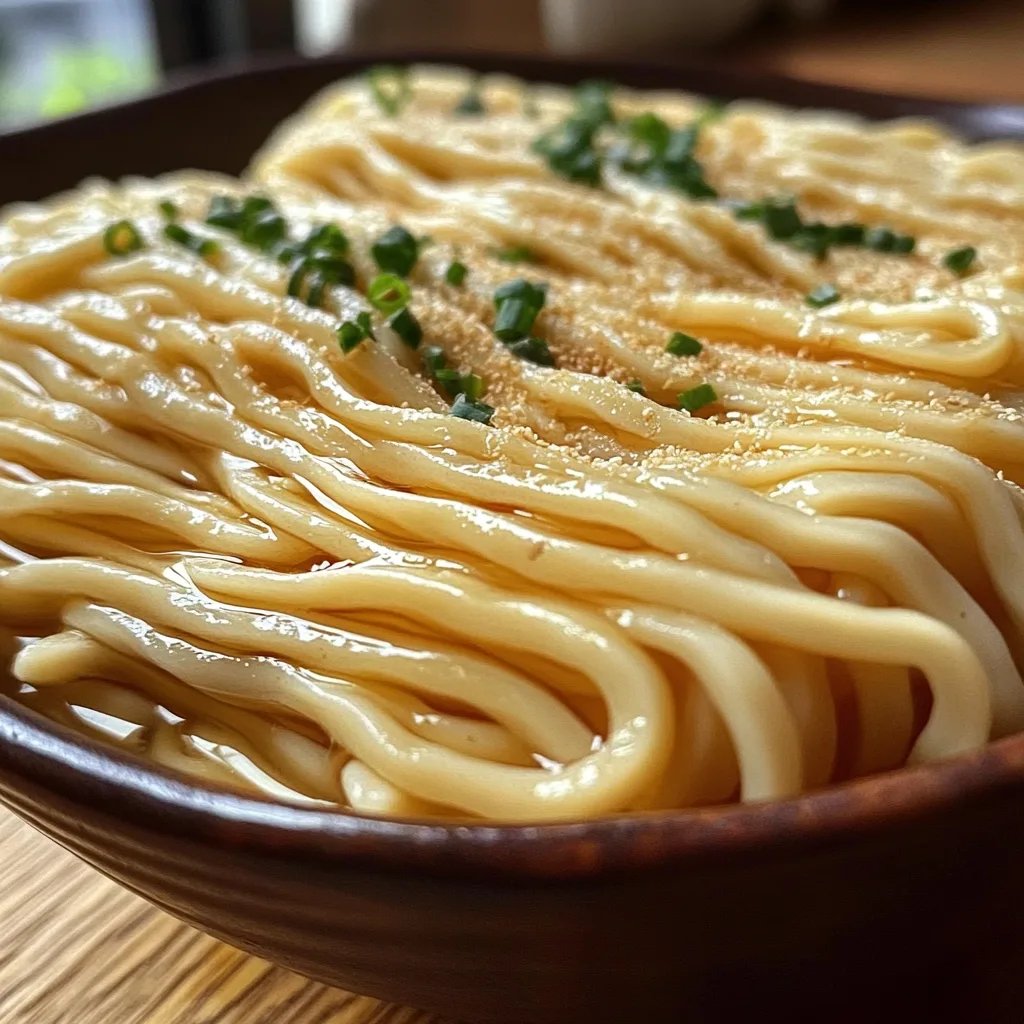
Homemade ramen noodles are a culinary delight that can whisk you away to the streets of Japan. This incredible dish is not merely a meal; it’s an experience that embodies comfort, warmth, and flavor. Imagine a steaming bowl of slurp-worthy noodles, all crafted in your kitchen! Making your own ramen allows you to control flavors and textures, giving you the freedom to create a dish that's both satisfying and tailored to your palate.
If you've ever had the joy of enjoying a bowl of authentic ramen, you know just how satisfying it can be. The first sip of rich broth, combined with tender noodles, creates a burst of flavors that’s simply unmatched. The wonderful aspect of homemade ramen noodles is the journey it takes you on, presenting a harmonious medley of tastes that celebrates culinary artistry. Whether you're looking for a comforting meal on a chilly night or an impressive dish to wow your dinner guests, this recipe will guide you through the amazing process of making your own ramen noodles from scratch.
Get ready to embark on a flavorful adventure! In this guide, you will learn why this recipe is special, the essentials to prepare, and step-by-step instructions on how to recreate authentic ramen noodles that will leave you craving more.
Why You’ll Love This Recipe
Homemade ramen noodles offer a variety of advantages that make the effort worthwhile. Here are a few reasons you'll adore this recipe:
- Freshness: Homemade noodles are miles apart from store-bought versions. Their texture and flavor are incomparable.
- Customizability: You can experiment with various flavors and thicknesses, adapting the noodles to your liking.
- Satisfaction: The incredible satisfaction of creating a beloved dish from scratch is truly fulfilling.
- Quality Control: You know exactly what goes into your noodles, making them healthier and fresher.
- Impressiveness: Homemade ramen is sure to impress guests, making you look like a pro chef in your kitchen.
- Fun Activity: The process of kneading and rolling out the dough is an entertaining kitchen activity, great for family involvement.
With these factors in mind, it's clear why homemade ramen noodles are a popular choice among food enthusiasts. Creating your own elevates the dish into a truly special culinary project that merges tradition with personal flair.
Preparation and Cooking Time
Making your own homemade ramen noodles can be surprisingly quick. Here’s how your time will break down:
- Preparation Time: 30 minutes
- Resting Time: 30 minutes
- Cooking Time: 3-5 minutes (for boiling the noodles)
- Total Time: 1 to 1.5 hours
These times will vary slightly based on your experience and kitchen equipment. However, even beginners will find this time commitment fairly manageable.
Ingredients
- 2 cups all-purpose flour
- ½ cup water
- 1 tablespoon kansui (alkaline mineral water)
- ½ teaspoon salt
Step-by-Step Instructions
Making homemade ramen noodles involves a few straightforward steps. Here’s how to do it:
- Mix Dry Ingredients: In a large bowl, sift together the all-purpose flour and salt.
- Prepare Kansui: In a measuring cup, mix kansui with water; this gives the noodles their unique texture and flavor.
- Combine Mixtures: Gradually add the kansui mixture to the flour mixture. Stir with chopsticks or a fork until the dough begins to come together.
- Knead the Dough: Transfer the dough onto a clean work surface. Knead for about 10-15 minutes until the dough is smooth and elastic.
- Rest the Dough: Shape the dough into a ball and wrap it with plastic wrap. Let it rest for at least 30 minutes at room temperature.
- Roll Out the Dough: After resting, divide the dough into smaller portions for easier handling. Roll each portion thinly using a pasta machine or a rolling pin.
- Cut the Noodles: Once you have rolled out the dough to your desired thickness, use a sharp knife or a pasta cutter to cut the noodles to your preferred width.
- Dust the Noodles: Dust the cut noodles with a bit of flour to prevent them from sticking together.
- Cook the Noodles: Boil a pot of water. Add the noodles and cook for 3-5 minutes until they are al dente. Stir them gently to prevent sticking.
- Drain and Rinse: Drain the noodles in a colander and rinse under cold water to stop the cooking process.
Follow these steps, and you’ll find that crafting your own ramen noodles is a fun and rewarding experience that brings the flavors of Japan right to your kitchen!
How to Serve
To enjoy your homemade ramen noodles to the fullest, consider the following serving suggestions:
- Broth Selection: Serve your noodles in a rich and flavorful broth. Tonkotsu, miso, or shoyu are excellent choices for traditional ramen flavors.
- Toppings: Enhance your ramen with a variety of toppings. Think sliced chashu pork, soft-boiled eggs, green onions, nori, and bean sprouts for added texture and flavor.
- Noodle Temperature: Make sure the noodles are served hot in the broth to maintain their texture and warmth.
- Presentation: Serve the ramen in deep bowls for a visually appealing presentation. Arrange toppings artfully for an inviting dish.
- Sides: Consider offering sides like gyoza or Japanese pickles for a complete meal.
By following these serving suggestions, you will transform your homemade ramen noodles into a delightful meal that captivates both the eyes and taste buds. Enjoy the process of sharing your creation and watching others indulge in this exquisite dish.
Additional Tips
- Use High-Quality Flour: For the best noodle texture, opt for high-protein all-purpose flour or a special noodle flour if available.
- Experiment with Kansui Amount: Adjusting the quantity of kansui can modify the noodle’s chewiness, so feel free to play around with small increments.
- Let the Dough Rest: Allowing the dough to rest properly is crucial for achieving the perfect elasticity in your noodles.
- Use a Pasta Machine: If possible, a pasta machine can help achieve even thickness while rolling out the dough, ensuring consistent cooking.
- Don’t Skimp on Dusting: Always dust the noodles with flour after cutting to avoid them clumping together.
Recipe Variation
Homemade ramen noodles can be a canvas for various variations that can enhance your culinary exploration:
- Whole Wheat Ramen: Substitute half of the all-purpose flour with whole wheat flour for a nuttier flavor and increased fiber.
- Spicy Noodles: Add a teaspoon of chili powder or cayenne pepper to the flour mixture for a spicy kick in the noodles.
- Vegetable-Infused Noodles: Incorporate pureed spinach or beetroot into the dough for vibrant, vegetable-rich noodles.
- Udon-style Noodles: Roll out the dough thicker to create a chewier texture reminiscent of udon noodles.
- Soba Noodles: Experiment by using buckwheat flour mixed with all-purpose flour for a different flavor profile.
Freezing and Storage
To store your homemade ramen noodles:
- Refrigeration: Fresh noodles can be stored in an airtight container in the refrigerator for up to 2 days.
- Freezing: Place the uncooked noodles in a single layer on a baking sheet and freeze until solid. Then, transfer them to a freezer-safe bag or container. They can be frozen for up to 2 months.
- Cooking from Frozen: When ready to use, boil frozen noodles directly in water without thawing. They may need an additional minute of cooking time.
Special Equipment
To make homemade ramen noodles easily, consider gathering the following tools:
- Mixing Bowls: For combining ingredients effectively.
- Rolling Pin or Pasta Machine: For rolling out the dough to the desired thickness.
- Dough Scraper: Helpful for cutting and handling the dough.
- Sharp Knife or Pasta Cutter: For cutting noodles uniform in width.
- Colander: For draining cooked noodles.
Frequently Asked Questions
Can I make ramen noodles vegan?
Yes, simply omit the use of kansui or find a plant-based alternative.
What if I don’t have kansui?
You can substitute kansui with a mixture of baking soda dissolved in water, although the flavor and texture may be slightly different.
How long do homemade noodles last?
Freshly made ramen noodles last in the refrigerator for about 2 days and can be frozen for up to 2 months.
Can I use bread flour instead of all-purpose flour?
Yes, using bread flour will yield chewier noodles due to its higher gluten content.
What broth pairs best with homemade ramen?
You can use any flavorful broth, but tonkotsu, shoyu, or miso are classic favorites that pair beautifully with homemade noodles.
Conclusion
Creating homemade ramen noodles is a gratifying and delicious venture into Japanese culinary culture. With a bit of practice, you’ll master the art of noodle-making, leading to an impressive and flavorful dish. This experience not only rewards your taste buds but also provides an opportunity for creativity. Whether you share your bowl with others or savor it solo, the satisfaction of enjoying your creation is unparalleled. Embrace the journey of making homemade ramen noodles, and elevate your dining experience today!