Traditional Greek Moussaka: An Amazing Ultimate Recipe
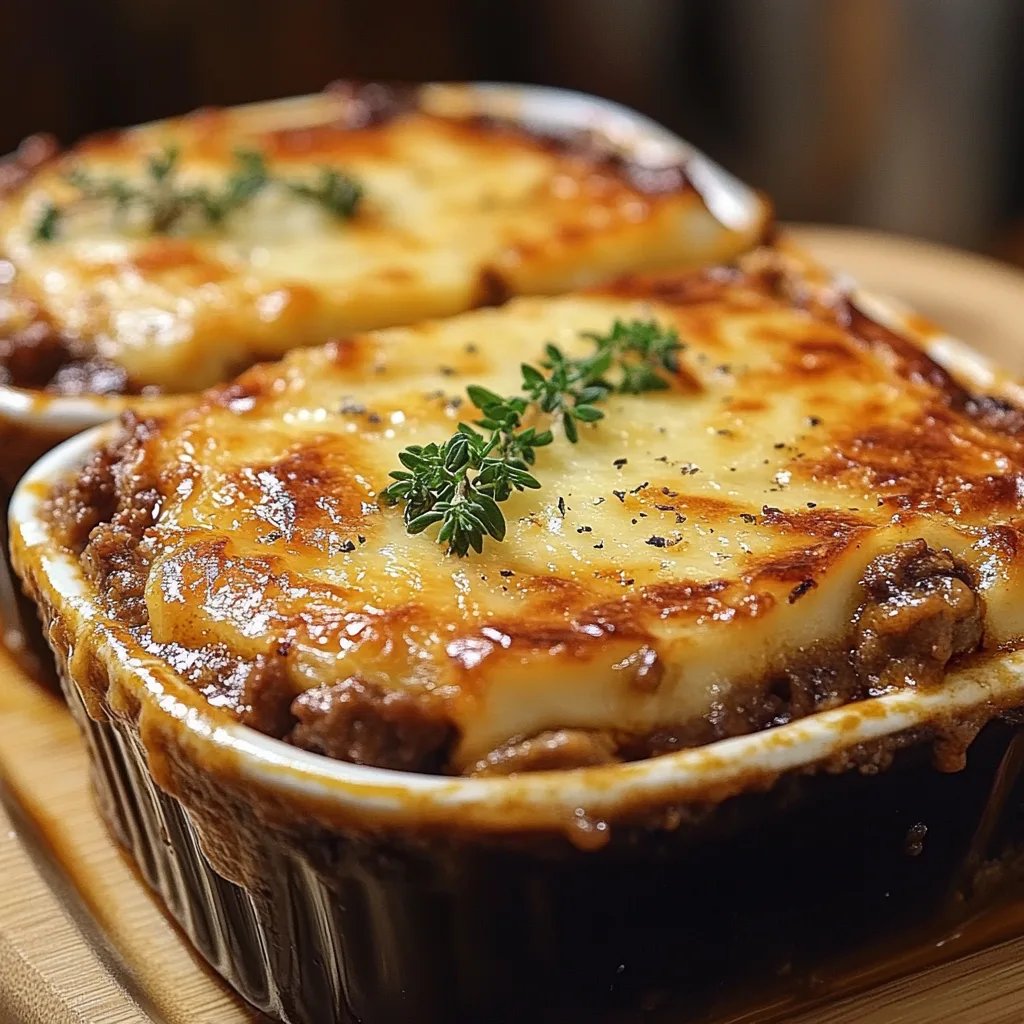
Traditional Greek Moussaka is a wonderful dish that embodies the rich culinary heritage of Greece. This savory casserole layers eggplant, potatoes, and a savory meat sauce, topped with a creamy béchamel sauce. Each bite transports you to the sun-soaked landscapes of the Mediterranean, filled with vibrant flavors and traditional ingredients. The harmonization of its textures—soft eggplant, hearty meat, and velvety béchamel—creates an incredible experience for your taste buds.
If you've never tasted Traditional Greek Moussaka before, you are in for a treat. The warmth of spices paired with fresh vegetables makes this dish a celebrated star of Greek cuisine. In this guide, you'll learn why this recipe stands out, how to prepare it, and tips for serving it perfectly. Whether you're a seasoned cook or a beginner, making this classic dish will surely impress friends and family alike.
Get ready to embark on a culinary journey filled with rich tastes and comforting aromas. Traditional Greek Moussaka is not just a meal; it is an experience steeped in history and tradition that you will want to share with loved ones.
Why You’ll Love This Recipe
Traditional Greek Moussaka brings together complex flavors and comforting textures, making it an ideal dish for various occasions. Here are several reasons why you’ll fall in love with this recipe:
- Depth of Flavor: The layers of spiced meat, eggplant, and béchamel create a taste sensation that is both hearty and comforting.
- Healthy Ingredients: Packed with vegetables, this dish is a great way to incorporate healthy ingredients into your diet.
- Versatile Serving Options: Whether for a family dinner or a festive gathering, Moussaka is perfect for any occasion.
- Feed a Crowd: This dish is excellent for meal prep and can easily satisfy a larger group with its generous portion sizes.
- Cultural Connection: Delving into this recipe allows you to explore Greek culture and culinary traditions, enriching your cooking knowledge.
- Impressive Presentation: The layers of Moussaka create a beautiful dish that impresses anyone at the dinner table.
Each bite of Traditional Greek Moussaka not only fills your stomach but also warms your soul, reminding you of home-cooked meals shared with loved ones.
Preparation and Cooking Time
Creating a delectable Traditional Greek Moussaka takes some time, but every minute is worth the rich flavors you’ll experience. Here’s a breakdown of the time needed:
- Preparation Time: 30 minutes
- Cooking Time: 1 hour
- Cooling Time: 30 minutes
- Total Time: Approximately 2 hours
This preparation and cooking time may vary based on your kitchen skills and equipment, but it serves as a good estimate for planning your cooking adventure.
Ingredients
- 3 medium eggplants, sliced
- 4 medium potatoes, sliced
- 1 ½ lbs ground beef or lamb
- 1 onion, finely chopped
- 3 cloves garlic, minced
- 1 can (14 oz) crushed tomatoes
- ½ cup red wine
- 2 teaspoons ground cinnamon
- 1 teaspoon dried oregano
- Salt and pepper to taste
- Extra virgin olive oil for frying
- 2 cups milk
- 4 tablespoons butter
- 3 tablespoons all-purpose flour
- 3 large eggs
- 1 cup grated Parmesan cheese
- Fresh parsley for garnish
Step-by-Step Instructions
Making Traditional Greek Moussaka involves several steps, but each one is essential to achieving that amazing flavor. Here's how to do it:
- Prepare the Eggplants: Sprinkle sliced eggplants with salt and let them sit for about 30 minutes to draw out excess moisture. Rinse and pat dry.
- Cook the Potatoes: In a pot of boiling salted water, cook potato slices for about 5 minutes or until slightly tender. Drain and set aside.
- Fry the Eggplants: In a large skillet, heat olive oil and fry the eggplant slices until golden brown on both sides. Drain on paper towels to remove excess oil.
- Make the Meat Sauce: In the same skillet, add more olive oil, then sauté the chopped onion and garlic until softened. Add the ground meat, stirring until browned.
- Add Wine and Tomatoes: Pour in red wine and cook for another 2 minutes. Then add crushed tomatoes, cinnamon, oregano, salt, and pepper. Simmer for about 20 minutes until thickened.
- Prepare the Béchamel Sauce: In a saucepan, melt butter over medium heat. Whisk in flour and cook for a minute. Gradually add milk, whisking constantly until thickened. Remove from heat. Let it cool slightly, then whisk in beaten eggs and half of the Parmesan cheese.
- Assemble the Moussaka: In a baking dish, layer half the potato slices, followed by half the eggplant, then the meat sauce. Repeat the layers and pour béchamel over the top, smoothing it out. Sprinkle the remaining Parmesan cheese.
- Bake: Preheat the oven to 350°F (175°C) and bake for 45 minutes or until golden brown on top.
- Cool Down: Allow the Moussaka to cool for about 30 minutes before serving to let the layers set.
How to Serve
To truly enjoy Traditional Greek Moussaka, consider the following serving suggestions:
- Presentation: Cut into generous squares and serve on individual plates.
- Garnish: Sprinkle with freshly chopped parsley for a beautiful touch.
- Pairing Ideas: Serve with a side of Greek salad for a complete meal.
- Wine Selection: Pair with a Greek wine, such as a fruity red or a crisp white, to enhance the flavors.
With these serving tips, your guests will surely appreciate the effort and flavors that go into this incredible dish. Enjoy every bite!
Additional Tips
- Use Fresh Ingredients: To elevate the taste of Traditional Greek Moussaka, opt for fresh eggplants and ripe tomatoes. This will amplify the dish's flavor significantly.
- Salt Your Eggplants Properly: Don’t skip salting the eggplants. It removes bitterness and helps achieve the right texture when cooked.
- Layer Gently: When layering your Moussaka, be careful not to crush the delicate eggplant or potato slices. This maintains structure for beautiful presentation.
- Allow It to Rest: Leting the Moussaka rest for a while after baking allows the layers to set and makes it easier to slice clean portions.
- Experiment with Spices: Feel free to adjust the spices according to your preferences. Adding a hint of nutmeg to the béchamel can provide a warm flavor boost.
Recipe Variation
Traditional Greek Moussaka is versatile! Here are some variations you can try:
- Vegetarian Version: Substitute ground meat with lentils or a mix of vegetables like zucchini and mushrooms for a hearty vegetarian option.
- Vegan Adaptation: To make a vegan Moussaka, use plant-based meat and a cashew or tofu-based béchamel sauce.
- Cheese Lover's Twist: Incorporate different types of cheese into the béchamel or layer some feta cheese between the potato and meat layers.
- Spicy Kick: Add red pepper flakes or fresh chili to the meat sauce for those who enjoy a bit of heat.
Freezing and Storage
- Storage: Store leftover Moussaka in an airtight container in the refrigerator for up to 3 days. Reheat in the oven for the best results.
- Freezing: Moussaka can be frozen before baking. Assemble the dish completely, cover it tightly with foil, and freeze. It can last in the freezer for up to 3 months. When ready to bake, thaw overnight in the refrigerator and bake as instructed.
Special Equipment
You won’t need much special equipment to create this delicious dish, but here are a few essentials:
- 9×13-inch baking dish for assembling and cooking the Moussaka.
- Sharp knife for slicing vegetables evenly.
- Large skillet for frying and cooking the meat sauce.
- Whisk for preparing the béchamel sauce and ensuring it stays smooth.
- Mixing bowls for preparing the ingredients before assembly.
Frequently Asked Questions
Can I prep Moussaka ahead of time?
Yes! You can prepare it a day in advance and refrigerate it before baking. This helps to deepen the flavors.
What type of meat works best?
Ground lamb and beef work best for their richness. However, feel free to use ground turkey or chicken for a lighter option.
Can I use different vegetables in Moussaka?
Certainly! Alongside eggplant, zucchini and bell peppers can be great additions to enhance the vegetable layer.
Is Moussaka gluten-free?
This traditional recipe contains flour in the béchamel sauce. However, you can use gluten-free flour as a substitute to make it gluten-free.
What can I serve with Traditional Greek Moussaka?
A side of Greek salad, tzatziki, or freshly baked bread pairs well to balance the richness of Moussaka.
Conclusion
Traditional Greek Moussaka is a delectable dish that combines various layers of flavor and texture to create an unforgettable culinary experience. This recipe not only brings the heart of Greek cuisine to your table, but it also allows you to connect with a rich cultural tradition. With a bit of practice, you can master this feeling of home in every bite.